3/4th Of Our Garbage Is Compostable

Food scraps, paper, cardboard, yard waste, cotton underwear - anything natural will turn into soil. But when it rots in landfill, it emits methane which accelerates climate change. 

Earthworms Are Nature's Recyclers

Did you know that composting earthworms can turn food scraps into rich soil in just 30 days? They live inside the box, and eat all the time.

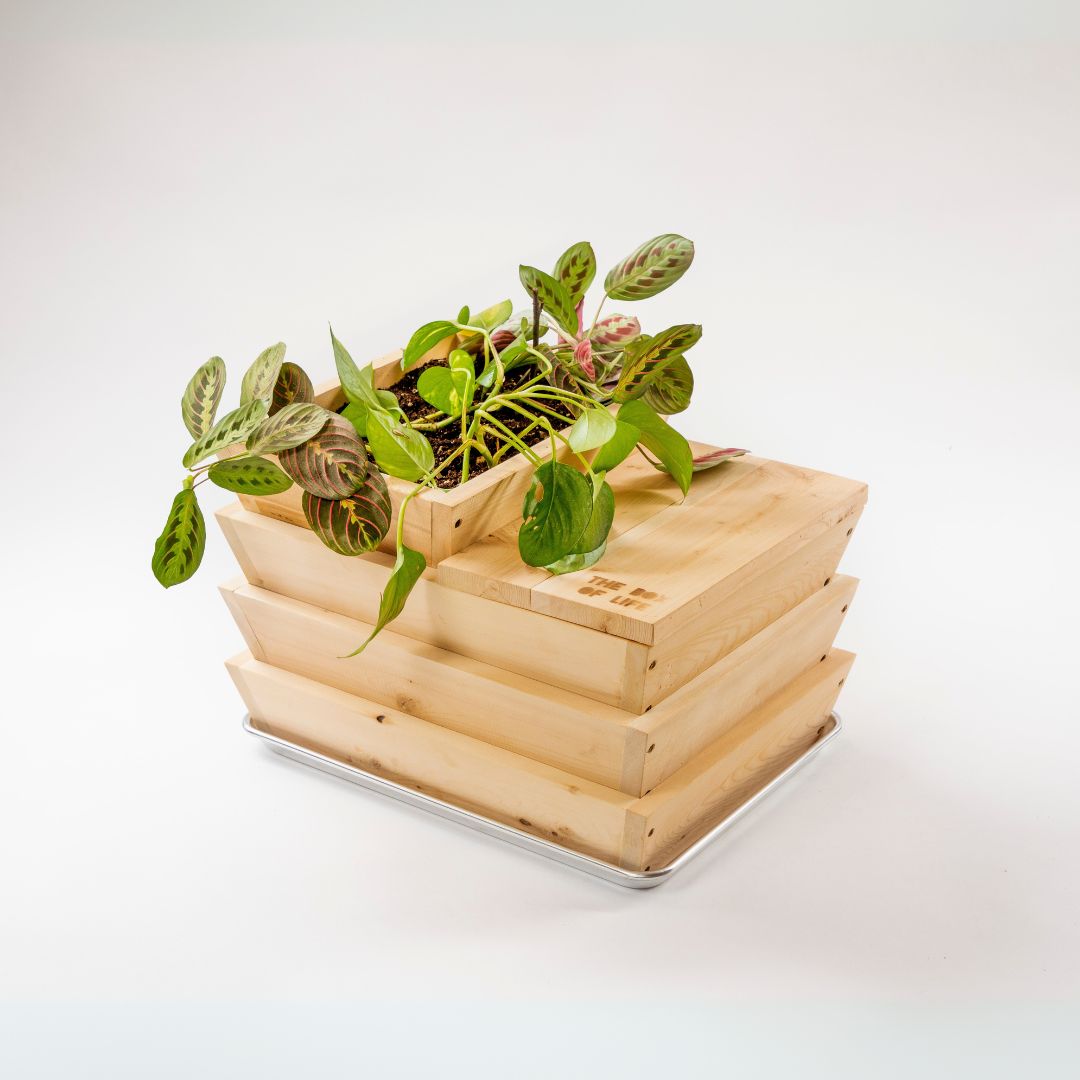
Split View of worm studio showing the three layers

Innovative Design Using Wood

We've spent 7 years improving the Worm Studio using feedback from thousands. This Box makes composting seamless - feed the top layer, empty the bottom. 

  • Box Of Life can be your composting guide
  • Natural cedar allows airflow and  eliminates smells
  • Complete worm composting setup with Worm Studio – perfect for urban homes
1 of 3
Harvested worm castings from the bottom layer are free of worms

Small But Mighty

Occupying the same size as a baking tray, the Worm Studio can compost 6 litres of scraps a week! 

Every 3 months you can harvest a bucket of finished castings from the bottom level.

Comparing The Choices

There's no right or wrong way to compost -  the Worm Studio is just better. Easy to use, won't break, and doesn't cost anything to run. 

Our customer support will help you at every step - you're not doing this alone with random internet advice.

  • Gardeners

  • Feeding food scraps into a wooden worm composting bin for indoor use

    Children

  • Nature Lovers

See The Worm Studio In Action

Worm Studio with instructional Worm Parenting Guide included

We Provide The Tools To Succeed

We include a worm parenting guide that answers all your questions like what to feed, how to feed, when to feed, and how to monitor the ecosystem for success. 

We have also built a thriving online community that support and motivate each other.

For Composting Like a Forest

The end product, worm castings, is Nature's best fertilizer - fluffy, nutrient rich and full of healthy microbes. You have to try it to believe it!

Landing Page Worm Studio

Your questions answered

Will it smell?

Nope, the bench does not smell when you sit on it, and it will smell like fresh earth when you open it up! If there are funky smells, there is something wrong in the ecosystem and it needs to be fixed.

How much work is involved?

We recommend a weekly maintenance from Spring to Fall - adding food and bedding, giving the ecosystem a gentle mix, and watering any dry spots.

How often do we feed it and how much?

Feeding the bench is a bit of an art and science, just like feeding any other pet. You could feed it a little bit every day, or load it up once a week. We suggest adding 15-45 kg of food scraps weekly, depending on how happy the worms are. We'll teach you how to be a good worm parent!

Some benches we know have not been fed for months, and that is ok too! Just make sure you keep the ecosystem damp all the time. Underfeeding is ok, but overfeeding is not.

What about winters?

The bench is put to rest in winter, and we suggest adding a large quantity of leaves into the bench to provide adequate insulation throughout the winter. From our field tests, the worms do survive through the winter!

What does a healthy ecosystem look like?

A healthy ecosystem will have loads of worms everywhere, will be damp to touch, smell earthy, look like soil mixed with food and bedding, and overall look alive!